

Hair Extension Maintenance: At-Home Care and Salon Upkeep
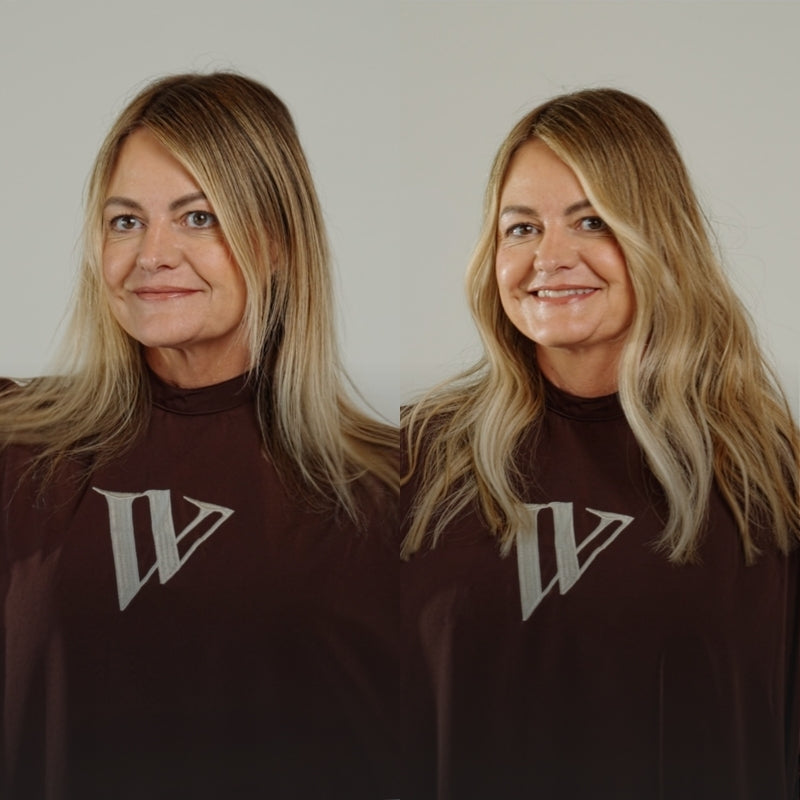
A beautiful extension installation is only the beginning. The way the hair is brushed, washed, dried, protected and professionally reassessed after the service helps determine how the complete system performs between appointments.
Hair extension maintenance has two parts: consistent at-home care and method-specific salon upkeep. At home, clients should keep the scalp, natural hair, attachment areas and extension hair clean, gently detangled and thoroughly dry while following the installer's product instructions. In the salon, the professional should reassess the natural hair, scalp, attachments, grow-out and extension condition on the schedule set for that client and method.
The exact routine changes with the extension system, natural hair, scalp, lifestyle and installation plan. Home care cannot correct an unsuitable or poorly executed installation, and move-ups, reinstallation and removal remain professional services.
What Does Hair Extension Maintenance Include?
Good hair extension upkeep protects three connected parts of the service:
-
The client's natural hair and scalp.
-
The attachment plan, including bonds, rows, tapes, beads or other foundations.
-
The extension hair itself.
That requires work at home and in the salon.
| At-home care | Professional upkeep |
|---|---|
| Brushing and gentle detangling | Natural-hair and scalp reassessment |
| Washing and conditioning | Attachment and foundation inspection |
| Thorough drying | Grow-out, tension and concealment evaluation |
| Heat and product management | Move-up, reinstallation or removal where appropriate |
| Protection during sleep, exercise and swimming | Extension-hair condition review |
| Watching for changes | Updated care instructions and the next service plan |
The maintenance conversation should begin during the consultation, not after a problem appears. A client who cannot realistically follow the required routine may need a different extension method, a temporary option or no semi-permanent installation.
If you do not yet have an extension professional, find a Vera Artist for a personalized consultation and method-specific care plan.
The Daily Hair Extension Care Routine
Daily care is less about performing a complicated ritual and more about preventing small tangles or changes from becoming larger problems.
-
Notice how the scalp and attachment areas feel. Pain, persistent tightness, irritation or a meaningful change from normal should not be ignored.
-
Detangle consistently with the tool and technique approved by the installer.
-
Work from the ends upward while supporting the attachment area where the method requires it.
-
Avoid dragging a brush or comb directly against bonds, seams, tapes, beads or thread.
-
Keep neighboring sections organized so natural shed hairs do not mat together around the attachments.
-
Use products only in the locations approved for the installed method.
There is no responsible universal rule that everyone must brush a fixed number of times per day. Texture, density, styling, activity and the attachment pattern all affect what consistent detangling looks like. The installer should demonstrate the technique on the client's actual hair before the client leaves the salon.
How to Wash and Condition Hair Extensions
Washing installed extensions means cleaning the scalp and natural hair without rough handling, while also protecting the attachment areas and extension lengths.
-
Detangle before washing as directed by the installer.
-
Keep the head upright instead of flipping, piling or scrubbing the hair together.
-
Clean the scalp gently, working between rows or around individual attachments according to the method.
-
Rinse thoroughly so cleanser does not remain around the scalp or attachment areas.
-
Apply conditioner, masks, oils and leave-in products only where the installer and product system permit them.
-
Keep the extension lengths organized rather than rubbing or twisting them together.
Wash frequency cannot be universal. Scalp oil, sweat, texture, density, product use, climate, activity and the installed system all change the appropriate schedule. Avoiding cleansing for too long is not a substitute for gentle technique, and washing more often does not remove the need to dry the scalp and attachments completely.
Vera clients wearing Micro-Tied Wefts can follow the more detailed Vera Micro-Tied Weft home-care guide. Those row-specific instructions should not automatically be applied to Keratin Micro-Bonds or another system without confirmation from the installer.
Drying and Heat Styling Installed Extensions
After washing, gently remove excess water without rough towel movement. Section the hair as instructed so the scalp and attachment areas can be dried thoroughly. Do not go to bed while those areas are wet.
Use a compatible heat protectant, keep hot tools away from attachments and avoid repeated unnecessary passes. There is no single maximum temperature for every client: extension-hair condition, natural texture, chemical history, color processing, tool calibration and attachment type all matter.
Extension hair does not receive the same ongoing distribution of scalp oils as growing natural hair. Repeated washing, heat, sunlight and environmental exposure can leave the lengths dry, which makes moisture support and controlled styling important. That does not mean every oil, mask or leave-in belongs near every attachment.

What Products Should You Use on Hair Extensions?
The correct products depend on the installed method and where each formula will be placed. A product that works well through the lengths may not belong near a keratin bond, weft foundation, adhesive panel or bead.
For Vera Micro-Tied Weft clients, Vera's current care protocol includes these practical recommendations:
-
The Vera Hair Co. Signature Wet/Dry Brush for detangling while supporting the top of the weft as instructed.
-
UNITE 7SECONDS Detangler through damp hair before gentle brushing and drying.
-
Oribe Royal Blowout Heat Styling Spray as the recommended blow-dry heat protectant.
-
Oribe Gold Lust Nourishing Hair Oil through the mid-lengths and ends as part of nighttime care.
This is not a universal shopping list for every extension wearer. The installer should confirm which cleanser, conditioner, mask, detangler, heat protectant and finishing product fit the client, hair and method, including where each one can be applied. Keratin Micro-Bond clients should follow their professional's bond-specific protocol rather than assuming that every weft-care instruction transfers unchanged.
How to Sleep With Hair Extensions
The goal at night is to reduce friction, tangling and uncontrolled movement without creating a tight style.
-
Go to bed only when the hair and attachment areas are fully dry.
-
Detangle first using the approved technique.
-
Use one or two loose braids, or another low-tension arrangement recommended by the installer.
-
Secure the hair with a soft, covered tie rather than a tight elastic.
-
Consider a silk or satin pillowcase to reduce friction and frizz.
-
Avoid tight ponytails or nighttime styles that pull on the installed areas.
Exercise, Sweat, Swimming, Travel and Weather
Extensions should fit real life, but real life changes the care plan.
Before exercise, secure the hair loosely to limit tangling without adding tension. After heavy sweating, clean and dry the scalp and attachment areas as needed rather than leaving them damp or compressed for long periods.
Swimming guidance should come from the installer because chlorine, salt water, product placement and attachment systems do not interact identically. In general, detangle and protect the hair before swimming, rinse it afterward and follow the approved cleansing and drying routine. Neither “never swim” nor “every method is fine in water” is a responsible universal rule.
For travel, pack the correct brush, approved products, soft ties and the tools needed to dry the hair thoroughly. Hard water, humidity, dry air, sun, wind and repeated heat can all change how the extension hair behaves, so the usual routine may need to be adjusted.
How Maintenance Changes by Extension Method
The principles overlap, but the professional pathway is different for each attachment system.
| Method | At-home emphasis | Professional pathway |
| Individual keratin bonds or K-Tips | Keep bonds clean, dry and separated; detangle without pulling against individual attachments; follow bond-specific product placement | Reassessment and professional removal on the client-specific schedule, followed by a new installation where appropriate |
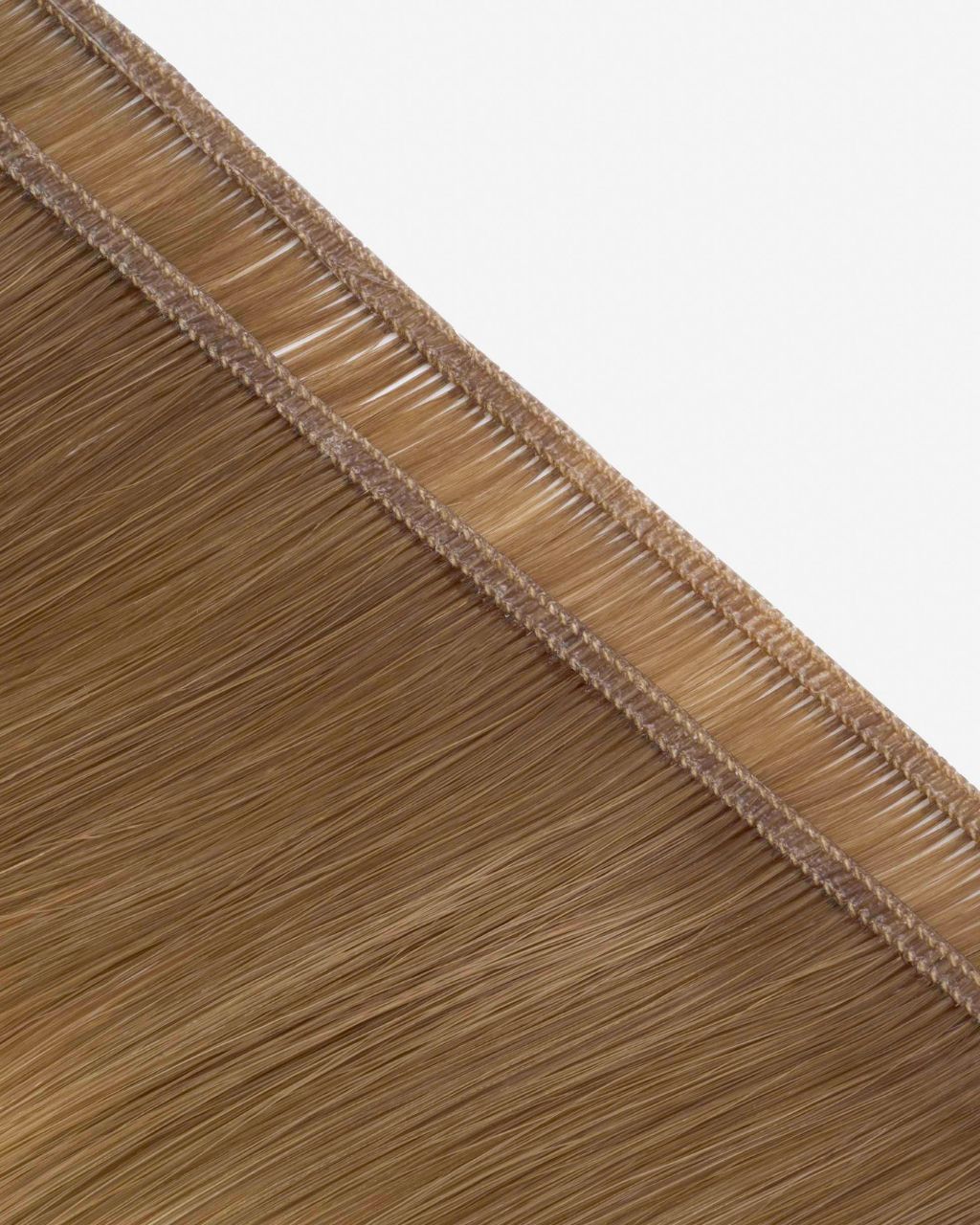
| Weft extensions | Keep the scalp, foundation and area between rows clean and dry; prevent matting at the top of the weft; support the row while brushing as instructed | Foundation assessment, move-up or reinstallation where the method and condition allow, plus removal when appropriate |
| Tape-in extensions | Protect adhesive areas from incompatible products and excessive pulling | Professional removal, reapplication or replacement under the brand protocol; Vera does not offer tape-ins |
| Bead or micro-link systems | Keep attachments separated and avoid pulling or catching beads during brushing and styling | Professional repositioning, tightening, replacement or removal according to the system; Vera does not sell standalone micro-link systems |
| Clip-ins and halos | Remove as directed, detangle, clean only when needed, dry fully and store properly | Less routine salon upkeep, although professional color matching, cutting and blending may still help; Vera does not offer these categories |
For deeper method education, read Vera's professional guides to K-Tip hair extensions and weft hair extensions.

What Happens at a Salon Maintenance Appointment?
“Maintenance appointment” does not describe one universal service. A weft move-up and professional keratin-bond removal are different workflows.
Depending on the method and client, the appointment may include:
-
Reviewing comfort, lifestyle, product use and changes since installation.
-
Inspecting the scalp and natural hair.
-
Evaluating grow-out, attachments, tension, matting, slippage, visibility and the blend.
-
Assessing the condition of the extension hair.
-
Cleaning, removing, moving up, reinstalling or replacing components where the system allows.
-
Updating the haircut, blend, color plan, treatment or style where needed.
-
Revising home-care instructions and scheduling the next service or removal.
Professional reassessment is part of responsible wear. It allows the stylist to respond to what actually happened during the wear period instead of assuming the original plan should continue unchanged.
Need a consultation, maintenance appointment or method-specific guidance? Find a Vera Artist near you.
How Often Do Hair Extensions Need Maintenance?
There is no responsible universal interval. The method, attachment system, natural growth and shedding, scalp condition, installed weight, placement, lifestyle, home care and professional protocol all affect timing.
The installer should set the initial schedule and revise it after seeing the client's actual wear pattern. The calendar is not the only trigger: a client should contact the professional sooner when comfort, scalp condition, tangling, attachment stability or concealment changes.
Missing the recommended appointment can allow grow-out, tangling or attachment changes to progress. Contact the installer rather than trying to remove, tighten, move or repair the system at home.
Warning Signs That Should Not Wait for the Next Appointment
Contact the extension professional promptly for:
-
Pain, persistent tightness, tenderness or headaches associated with the installation.
-
Redness, irritation, sores, unusual flaking or continuing scalp discomfort.
-
Matting or tangling that cannot be managed gently at home.
-
A row, bond, bead, tape or other attachment that feels unstable, twisted, caught or unusually visible.
-
Accelerated slippage, breakage or a sudden change in manageability.
-
Grow-out that makes the attachments difficult to separate or conceal.
-
Unexpected shedding, a widening part, patchy loss or progressive thinning.
The client should not be told to simply tolerate pain or tightness. The American Academy of Dermatology advises that pain or headache from a weave or extension style can indicate that it is too tight, and repeated pulling can contribute to traction alopecia.
Progressive thinning, patchy loss, sores or persistent scalp symptoms may require evaluation by a board-certified dermatologist. The stylist can reassess the extension service but should not diagnose the underlying cause. For a fuller suitability framework, read Vera's guide to hair extensions for fine or thin hair.
What Does Hair Extension Maintenance Cost?
Maintenance cost depends on the method, number of rows or attachments, service time and what must happen at the appointment. Removal, move-up, reinstallation, replacement hair, corrective detangling, color, cutting, blending, treatments and styling may all change the total.
Stylist expertise, location and service model also matter. Some extension hair may be eligible for reinstallation under a particular system; other methods require new hair or attachments.
The first installation is not the complete cost of ownership. Before installation, the professional should explain the expected service cycle, which appointments are included or separate, the likely product requirements and how pricing will be quoted. Vera does not publish a national average because those variables make one number misleading.
Which Hair Extensions Are Lowest-Maintenance?
Temporary clip-ins and halos may require less professional upkeep because the wearer removes them, but they still need detangling, cleaning, drying and storage. Semi-permanent systems eliminate daily application and removal while requiring consistent home care and professional follow-up.
No method is truly low-maintenance when the client's routine, natural hair, scalp, budget or schedule does not fit the service. Vera Keratin Micro-Bonds and Micro-Tied Wefts are professional systems, not maintenance-free consumer products.
How Vera Supports Extension Care From Installation Through Removal
Vera treats maintenance as part of the extension system rather than an afterthought.
-
Method education: Vera's K-Tip and Weft guides explain the attachment formats before the service.
-
Client care resources: The Vera Micro-Tied Weft home-care guide provides detailed cleansing, brushing, drying and sleep instructions for that method.
-
Professional tools: Approved professionals can access Vera's extension tools and accessories, including the Signature Wet/Dry Brush.
-
Two planning formats: Professionals can explore Vera Keratin Micro-Bonds and Vera Micro-Tied Wefts within one color and hair-quality system.
-
Professional service path: Clients can use Find a Vera Artist for consultation, maintenance and method-specific guidance.
-
Professional access: Licensed professionals can apply to carry Vera Hair Co. and use Vera's digital resources and guides with their clients.
Vera also supports professional Keratin Micro-Bond removal. Removal should be performed by a trained professional under the appropriate protocol, never treated as a DIY extension-care step.
Frequently Asked Questions
How often should I wash hair extensions?
There is no universal schedule. Scalp oil, sweat, texture, product use, lifestyle and the attachment system all matter. Follow the installer's routine, clean the scalp gently and dry the attachment areas thoroughly.
Can I let hair extensions air-dry?
Do not assume air-drying is appropriate for the attachment areas. Installed extensions can hold moisture near bonds, rows or the scalp. Follow the method-specific drying protocol and ensure those areas are fully dry, even if the lengths finish drying naturally.
Can I sleep with wet hair extensions?
No. Wet hair and damp attachment areas are more vulnerable to tangling and uncontrolled friction during sleep. Dry the hair thoroughly, detangle it and use the low-tension nighttime arrangement recommended by the installer.
Can I use oil or conditioner on hair extensions?
Often through approved areas of the lengths, but placement matters. Some products can interfere with bonds, adhesive or other attachment systems. Use only the products and application pattern approved for the installed method.
Can I swim or work out with hair extensions?
Usually, with a method-specific plan. Secure the hair loosely, manage sweat and moisture, and ask the installer how to prepare for chlorine or salt water. Rinse, cleanse and dry according to the approved protocol afterward.
How often should I return for a maintenance appointment?
Return on the schedule set by the installer for the client and method. Growth, shedding, comfort, attachment condition, home care and lifestyle can change that timing. Contact the professional sooner if something changes.
What happens if I miss a hair extension maintenance appointment?
Excess grow-out, matting, visibility, slippage or attachment changes may become harder to manage. Do not attempt a home repair. Contact the installer, explain what happened and arrange an assessment.
What are the lowest-maintenance hair extensions?
Temporary methods may require fewer salon visits but must be applied, removed and stored by the wearer. Semi-permanent methods trade daily application for ongoing home care and professional upkeep. The lowest-maintenance choice is the one that realistically fits the client's hair, lifestyle and budget.
How much does hair extension maintenance cost?
Cost varies by method, attachment count, service time, location and whether the appointment includes removal, move-up, reinstallation, replacement hair, corrective work, color, cutting or styling. Request the full service-cycle quote before installation.
Can I remove K-Tips or move up wefts at home?
No. Keratin-bond removal, weft move-ups and attachment changes should be performed by a trained professional using the system-specific protocol. At-home manipulation can damage the extension hair, attachments or natural hair.
Hair Extension Upkeep Is Part of the Service
The best hair extension maintenance routine is not copied from a universal calendar. It is designed around the client's natural hair and scalp, installed method, attachment plan, extension hair and daily life.
At-home consistency and professional reassessment work together. Gentle detangling, appropriate cleansing, thorough drying, controlled heat, sleep protection and attention to changes support the service between appointments. The salon then provides the inspection, adjustment, reinstallation or removal that should not happen at home.
Looking for method-specific guidance or a professional extension consultation? Find a Vera Artist near you.
Licensed professionals can explore Vera Micro-Tied Wefts, Vera Keratin Micro-Bonds or apply for professional access.